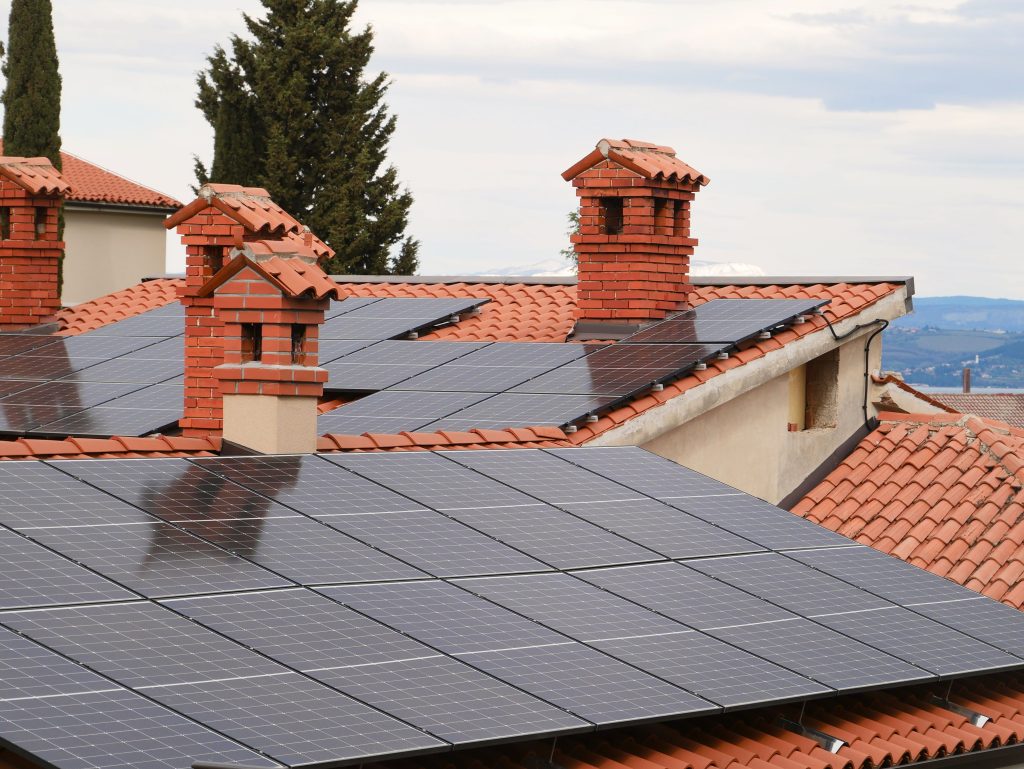
If you have solar panels installed on your home, keeping them clean is an important part of protecting their performance. But there is another part of the property that deserves attention: the roof underneath and surrounding those panels.
Moss, lichen, algae, dirt, and organic debris can gradually build up on roofs, particularly in areas that remain shaded or damp. When this growth develops close to a solar installation, homeowners may wonder whether it can damage their panels or reduce the amount of electricity they generate.
The short answer is that roof moss, mould and lichen, does not necessarily damage solar panels directly, but the conditions associated with moss growth can contribute to dirty panels, shading, drainage issues and reduced solar performance.
For homeowners considering solar panel cleaning Geelong, it therefore makes sense to look beyond the glass surface of the panels. Maintaining the surrounding roof can be an important part of keeping the entire rooftop system clean and functional.
Can Moss, mould and Lichen Actually Damage Solar Panels?
Moss, mould and lichen, generally begins on the roofing material rather than on the solar cells themselves. It prefers areas where moisture remains for extended periods, particularly shaded sections of tiled roofs and places where leaves and organic matter collect.
Solar panels can unintentionally create some of these conditions. The space underneath an array receives less direct sunlight, while leaves and other debris may become trapped around mounting hardware or along panel edges.
Moss, mould, and lichen growing elsewhere on the roof does not automatically mean that the solar system is being damaged. The bigger concern is what happens as moss, dirt, and organic material accumulate around the installation.
Loose material can move across the roof during rain or windy weather. Water flowing over a dirty or moss-covered roof can also carry fine organic particles towards lower sections of the roof and potentially across panel surfaces.
Over time, this contributes to the broader problem known as solar-panel soiling.
- Reduced Solar Panel Efficiency
Solar photovoltaic panels work most effectively when sunlight can reach the cells through the glass with minimal obstruction.
Anything covering part of that surface can interfere with incoming light. Common examples include:
- Dust and fine airborne particles
- Bird droppings
- Pollen
- Leaves
- Organic residue
- Algae or lichen
- Dirt carried by rainwater
Scientific research consistently identifies soiling as a factor that can reduce photovoltaic energy production. The exact loss varies considerably according to climate, panel angle, rainfall, the type of contamination and how long material has been accumulating.
That means there isn’t a universal percentage of electricity homeowners will recover by cleaning their panels. A lightly dusty, steeply tilted array exposed to regular rain may experience relatively small losses, while heavily contaminated panels can experience much more noticeable reductions.
Moss, mould, and lichen can contribute indirectly.
If moss, mould, and lichen, spreads towards the panel edges or organic material accumulates around the array, portions of a panel may become partially shaded. Moss and lichen can also break apart, allowing organic particles to travel down the roof.
Regular solar panel cleaning in Geelong helps remove this material before significant contamination becomes established.
- Moss, mould and Lichen Can Encourage Dirt Accumulation
One of the biggest problems with roof moss and lichen is its ability to trap other material.
A relatively clean roof allows leaves, dust, and small debris to move towards gutters relatively easily. A roof covered in thick moss provides many more places for that material to become caught.
Over time, you can end up with a mixture of:
- Moss, mould, and lichen
- Dead vegetation
- Leaves and twigs
- Dust
- Pollen
- Bird droppings
- Fine soil particles
Solar panel mounting systems introduce additional edges and sheltered spaces where this material may collect.
The result can be a dirty environment immediately surrounding your solar installation.
Even when moss isn’t physically growing across the panel glass, accumulated organic debris can eventually reach the panels through wind, rain, or general deterioration.
This is one reason cleaning only the panels may not always address the underlying problem.
Imagine thoroughly cleaning a solar array while leaving substantial moss and debris immediately above it. The next period of heavy rain can carry some of that material back towards the freshly cleaned panels.
Addressing both areas can provide a more comprehensive maintenance solution.
- Roof Runoff Can Carry Contaminants Towards Panels
Rain helps clean some rooftop solar installations, but it should not always be considered a replacement for proper maintenance.
The effectiveness of natural rainfall depends on several factors, including panel pitch, the amount and type of contamination, frequency of rainfall, and the design of the installation.
Rain may rinse away loose dust while leaving stubborn contamination such as bird droppings or adhered organic residue behind.
Roof runoff introduces another consideration.
When rain falls onto a roof covered with moss, lichen, and accumulated debris, water can pick up fine particles as it moves toward gutters and drainage points.
Depending on the position of the solar array and roof layout, contaminated water can travel around panel edges or contribute to residue accumulating in nearby areas.
As water evaporates, fine material may remain behind.
Repeated wetting and drying can gradually create stubborn grime, particularly around panel frames and lower edges.
Maintaining the surrounding roof therefore helps reduce the amount of organic material available to be transported by rainwater in the first place.
- Moss, Mould, and Lichen Around Solar Panels Can Complicate Roof Maintenance
Solar panels already make certain parts of a roof more difficult to access.
If moss, mould, and lichen are allowed to establish around or underneath the array, roof maintenance can become even more complicated.
Dense moss and lichen can hide roofing surfaces and may make it more difficult to identify maintenance issues around tiles, flashings, and solar mounting points.
It can also retain moisture against roofing materials.
For homeowners, the safest approach is generally to avoid climbing onto the roof to investigate the problem themselves. Roofs can become particularly slippery when moss, algae or moisture are present, and solar installations introduce electrical equipment that requires additional care.
Professional roof and solar maintenance allows these areas to be assessed and cleaned using appropriate equipment and techniques.
- Why Regular Solar Panel Cleaning Matters
Solar panels are designed for long-term outdoor exposure, but that doesn’t mean they remain perfectly clean indefinitely.
Research into photovoltaic soiling shows that accumulated material can reduce the amount of solar radiation reaching the cells and consequently reduce electricity generation.
How frequently a system needs cleaning depends on its environment.
A property surrounded by trees may experience more leaves, pollen, and bird activity. Homes exposed to traffic, construction, or dusty environments may accumulate airborne particles faster. Coastal environments can introduce additional airborne deposits.
The roof pitch and panel angle matter as well.
Panels installed at a steeper angle generally shed water and loose material more readily than panels installed closer to horizontal.
Instead of assuming every solar installation needs cleaning on an identical schedule, homeowners can monitor their system and periodically inspect the panels from ground level where possible.
Warning signs can include visible dirt, bird droppings, leaves along panel edges, or a persistent reduction in output that cannot be explained by seasonal conditions, weather, or another system issue.
Professional solar panel cleaning in Geelong can then be incorporated into broader exterior maintenance when required.
- Why Combine Roof Cleaning With Solar Panel Cleaning?
Cleaning the solar panels addresses contamination already sitting on the glass.
Cleaning the surrounding roof tackles one potential source of that contamination.
Combining the two can therefore make practical sense, particularly when a roof has visible moss, mould, algae, or lichen growth.
A comprehensive maintenance process can address:
The solar panels: Removing accumulated dust, organic material, bird droppings, and other surface contamination allows more sunlight to reach the photovoltaic cells.
The surrounding roof: Removing or treating moss, mould and lichen reduces the amount of organic material surrounding the solar array.
Roof drainage: Keeping roof surfaces and drainage areas clear helps water move away from the property more effectively.
Future contamination: Reducing moss and organic buildup means there is less loose material available to wash or blow towards the solar panels.
Property appearance: A clean roof combined with clean solar panels can significantly improve the overall appearance of the home.
Rather than treating solar panels as completely separate from the roof supporting them, homeowners can consider the rooftop as one interconnected exterior system.
Professional Roof Cleaning in Geelong
Geelong Moss Removal specialises in removing black mould, green moss, and yellow lichen from different types of roofing.
The company services Geelong and surrounding regions and works on roof materials including terracotta tiles, Colorbond metal roofing, slate, and polycarbonate surfaces.
Its roof moss treatment uses a controlled approach designed to target moss, mould, lichen, and algae. The process begins with an inspection and preparation of surrounding areas before treatment and cleaning.
This is particularly relevant to properties with solar installations because aggressive cleaning isn’t always appropriate around roofing materials and rooftop equipment.
Homeowners can find out more about roof cleaning and exterior maintenance through Geelong Moss Removal.
How Often Should Roofs and Solar Panels Be Checked?
There is no single maintenance interval suitable for every Geelong property.
How quickly a roof or solar array becomes dirty depends on factors such as:
- Surrounding trees and vegetation
- Roof orientation
- Shade
- Roof and panel pitch
- Bird activity
- Local dust
- Weather exposure
- Existing moss or lichen
- The age and condition of the roof
A roof with substantial shade and established moss may require more attention than an exposed roof that dries quickly after rain.
The same applies to solar panels.
Instead of cleaning unnecessarily according to an arbitrary timetable, homeowners can include roof and panel condition checks as part of regular property maintenance and arrange cleaning when buildup becomes apparent.
Can You Clean Roof Moss and Solar Panels Yourself?
Some homeowners may be tempted to climb onto the roof with a hose or pressure washer.
This can create unnecessary risks.
Working at height is dangerous, particularly when roofing surfaces are wet or covered with moss. Solar installations also contain electrical components, cables and mounting equipment that should not be disturbed.
High-pressure cleaning may also be unsuitable for some roofing surfaces and should not simply be directed at solar panels.
If cleaning is required, using a professional familiar with the relevant roof materials and appropriate cleaning methods is generally the safer option.
Geelong Moss Removal states that its moss treatment does not rely on pressure washing as the default approach. Instead, it uses a controlled treatment and cleaning process according to the surface and required outcome.
Keep the Roof and Solar System Working Together
So, does roof moss, mould and lichen, damage solar panels?
Usually, the relationship is indirect.
Moss, mould and lichen growing on the roofing material doesn’t automatically damage the solar cells. However, significant moss growth can trap dirt and organic debris, retain moisture and contribute to a dirtier rooftop environment.
That contamination can eventually find its way onto solar panels, where accumulated material may reduce the amount of sunlight reaching the cells.
Regular maintenance provides a straightforward solution.
By combining roof moss treatment with solar panel cleaning in Geelong, homeowners can deal with both the dirty panels and the surrounding source of organic contamination.
A cleaner roof means less moss, lichen and loose organic material surrounding the solar installation. Clean solar panels, meanwhile, are better positioned to receive unobstructed sunlight and perform as intended.
